The History and Ritual of English Afternoon Tea
Afternoon tea is the most civilized of British traditions. It was introduced in the 1840s by Anna, the seventh Duchess of Bedford, who found herself feeling "hungry" during the long gap between lunch and dinner.
The Three Tiers of Flavor
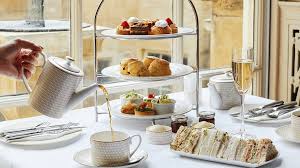
A proper afternoon tea is served on a three-tiered stand. The bottom tier contains delicate finger sandwiches, most famously the cucumber sandwich (crusts removed, of course). The middle tier holds warm scones, served with "clotted cream" and strawberry jam. The top tier is reserved for "petit fours"—small cakes, tarts, and pastries. The rule is to start from the bottom and work your way up.
The Great Scone Debate: Cream or Jam First?
One of the most lighthearted rivalries in Britain is between Devon and Cornwall. In Devon, the tradition is to spread clotted cream first and then top it with jam. In Cornwall, it's jam first and then a dollop of cream on top. Regardless of your preference, the scone should be "plain" or "sultana" (raisin) and should be pulled apart by hand, never cut with a knife.
Choosing the Right Tea
The tea itself is the center of the event. Earl Grey (flavored with bergamot) and English Breakfast (a robust blend of Assam and Ceylon) are the classics. The tea should be brewed with boiling water and allowed to steep for exactly 3 to 5 minutes. While the "milk first or tea first" debate continues, the most important thing is that the tea is served in fine bone china, which is said to enhance the flavor.
Afternoon tea is not just about the food; it's about taking a moment of pause in a busy day. It’s an elegant, slow-paced tradition that continues to be a favorite way to celebrate birthdays and special occasions.