Why Cast Iron Cooking is Better: A Kitchen Essential
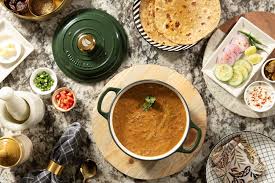
The cast-iron skillet is a piece of kitchen equipment that can last for generations. While modern non-stick pans come and go, a well-seasoned cast-iron pan only gets better with age, offering performance that no other material can match.
Superior Heat Retention
Cast iron is heavy and dense, meaning it takes a while to heat up but holds onto that heat incredibly well. This makes it the absolute best tool for searing meat. When you drop a cold steak into a thin stainless steel pan, the temperature drops instantly. In a cast-iron pan, the heat remains constant, resulting in a perfect, caramelized crust that locks in juices.
The Natural "Seasoning"
When you cook with oils at high temperatures in cast iron, the fats undergo "polymerization," creating a hard, slick, and naturally non-stick surface. This is called seasoning. Unlike chemical non-stick coatings that can peel and release toxins, cast-iron seasoning is safe and renewable. The more you cook with it, the more non-stick it becomes. You can even bake in it—cornbread and giant cookies are legendary in cast iron.
Maintenance and Myth-Busting
There is a common myth that you can't use soap on cast iron. Modern dish soap is mild enough that a quick wash won't hurt the seasoning. The real "enemy" of cast iron is moisture. Always dry your pan thoroughly on the stove after washing and rub in a tiny bit of oil before storing. This prevents rust and keeps the seasoning "fed." It is a small amount of effort for a tool that will literally never wear out.
Buying a cast-iron skillet is an investment in your culinary future. It is a versatile, rugged, and high-performance tool that connects you to the history of home cooking in every meal you prepare.