The Aromatic Secrets of Moroccan Tagine
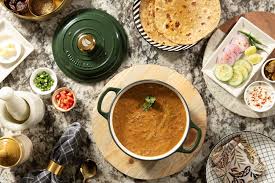
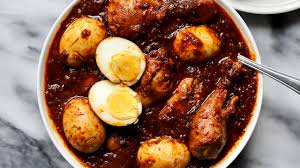
The Tagine is both the name of the slow-cooked North African stew and the conical clay pot in which it is prepared. This unique cooking vessel is designed to return all condensation to the bottom, resulting in meat that is incredibly tender and flavors that are deeply concentrated.
The Sweet and Savory Balance
Moroccan cuisine is famous for blending savory meats with sweet dried fruits. A classic "Lamb Tagine with Prunes" uses ginger, saffron, and turmeric to season the meat, while honey and dried prunes added late in the cooking process create a rich, syrupy sauce. Toasted almonds and sesame seeds are often sprinkled on top for a necessary crunch. This balance of flavors is a hallmark of the Royal Moroccan kitchen.
The Importance of Preserved Lemons
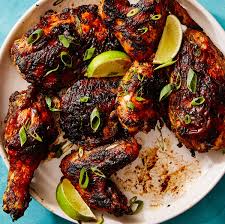
Another essential ingredient is the preserved lemon. Lemons are salt-cured for weeks until the rind becomes soft and the flavor turns salty, tangy, and slightly floral. Used in dishes like "Chicken Tagine with Olives," the preserved lemon provides a bright acidity that cuts through the richness of the olive oil and spices. You only use the rind, as the flesh is often too salty.
The "Ras el Hanout" Spice Blend
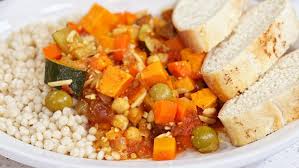
Behind every great tagine is "Ras el Hanout," a spice blend that can contain over 30 different ingredients, including cinnamon, cardamom, mace, galangal, and even rosebuds. It is the chef's "top of the shop" blend, and every family has their own secret recipe. Serve your tagine with a side of fluffy couscous or crusty Moroccan bread (khobz) to soak up every last drop of the fragrant sauce.
Tagine cooking is an exercise in patience and aromatics. It fills the house with the scent of a thousand years of history and spice trade, making it one of the most evocative dishes in the world.