Traditional Ethiopian Injera and Doro Wat
Ethiopian cuisine is a unique sensory experience, characterized by the lack of utensils and the use of "Injera"—a sour, spongy flatbread that serves as both the plate and the spoon.
Injera: The Fermented Foundation
Injera is made from Teff, a tiny, ancient grain that is a nutritional powerhouse. The dough is fermented for several days, which gives it a distinct sourdough flavor and creates thousands of tiny bubbles (called "eyes") on the surface. These eyes are perfect for soaking up the rich sauces of the stews (wats) served on top. It is a vegan, gluten-free, and highly probiotic base for every meal.
Doro Wat: The King of Stews
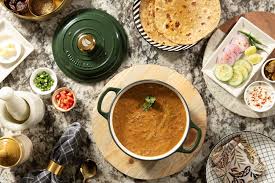
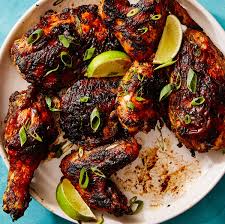
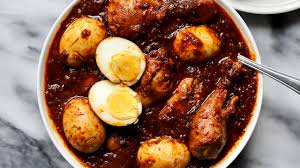
Doro Wat (spicy chicken stew) is the national dish of Ethiopia. It is a labor-intensive dish where onions are slow-cooked for hours without oil until they break down into a thick paste. The heat comes from "Berbere," a complex spice blend containing chili, garlic, ginger, basil, and rue. A classic Doro Wat always includes hard-boiled eggs that have been simmered in the sauce until they turn a deep red.
The Coffee Ceremony
An Ethiopian meal often ends with the "Buna" (coffee) ceremony. Coffee originated in Ethiopia, and the ritual involves roasting the green beans by hand, grinding them with a mortar and pestle, and brewing them in a traditional clay pot called a "jebena." It is a sign of deep hospitality and respect, often accompanied by the smell of burning frankincense. It is a beautiful, slow end to a flavorful meal.
Eating Ethiopian food is a communal act. "Gursha" is the tradition of feeding a morsel of food to a friend or family member, a gesture of love and friendship that defines the Ethiopian dining experience.