Korean BBQ: A Guide to the Interactive Dining Experience
Korean BBQ (Gogi-gu-i) is more than just a meal; it is a social event. Centered around a grill built into the table, it allows diners to cook their own meat and customize every bite with an array of side dishes (banchan).
The Meat: Bulgogi and Galbi
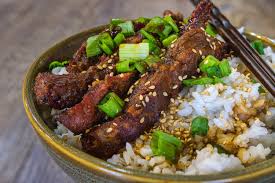
The stars of the show are typically "Bulgogi" (thinly sliced marinated beef) and "Galbi" (marinated short ribs). The marinade is a complex blend of soy sauce, sugar, sesame oil, garlic, and often pureed Asian pear, which acts as a natural tenderizer. For those who prefer unmarinated meat, "Samgyeopsal" (thick slices of pork belly) is a must-try, often dipped in a simple mixture of salt and sesame oil.
The Art of the "Ssam"
The traditional way to eat Korean BBQ is by making a "ssam" (wrap). You take a large lettuce leaf or a perilla leaf, place a piece of grilled meat in the center, and add a dollop of "Ssamjang"—a thick, savory paste made from fermented soybeans and chili. You can then add grilled garlic, kimchi, or pickled radishes. The goal is to fold it into a small parcel and eat it in one single, flavor-packed bite.
The Banchan: Endless Variety
No Korean meal is complete without "Banchan." These small side dishes are served for the table to share and are often refilled for free. Kimchi is the most famous, but you will also find seasoned bean sprouts, glazed potatoes, fish cakes, and steamed eggs. These dishes provide a variety of textures and levels of spice and acidity that complement the richness of the grilled meat.
Korean BBQ is about the joy of cooking and eating together. It’s a loud, vibrant, and delicious experience that has captured the hearts of food lovers around the world.