The Ultimate Guide to Knife Skills for Home Cooks
A chef is only as good as their tools, and the most important tool in any kitchen is the knife. Mastering basic knife skills is the single biggest step you can take to become a faster, safer, and more efficient home cook.
The "Pinch Grip"
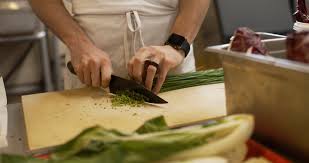
Most beginners hold a knife by the handle, but professionals use the "pinch grip." You pinch the blade where it meets the handle with your thumb and forefinger. This gives you much more control and prevents the knife from wobbling. The other hand should be in the "claw" position, with fingertips tucked under to act as a guide for the blade while protecting your fingers from cuts.
Basic Cuts: Dice, Julienne, and Chiffonade
Uniformity is key. If your vegetable pieces are the same size, they will cook at the same rate. A "dice" is a square cut, "julienne" means thin matchsticks, and "chiffonade" is used for herbs, where you stack the leaves, roll them up, and slice them into thin ribbons. Practicing these on a bag of onions or potatoes will significantly improve your confidence and the appearance of your dishes.
Maintenance: Honing vs. Sharpening
A dull knife is a dangerous knife because it requires more pressure and is more likely to slip. You should "hone" your knife with a steel rod every time you use it to keep the edge straight. "Sharpening" (using a whetstone or professional service) should be done once or twice a year to actually remove metal and create a new edge. Taking care of your knives ensures they will last a lifetime.
Knife skills are the foundation of all cooking. Once you stop fighting your ingredients and start gliding through them, cooking becomes a joyful, meditative experience rather than a chore.